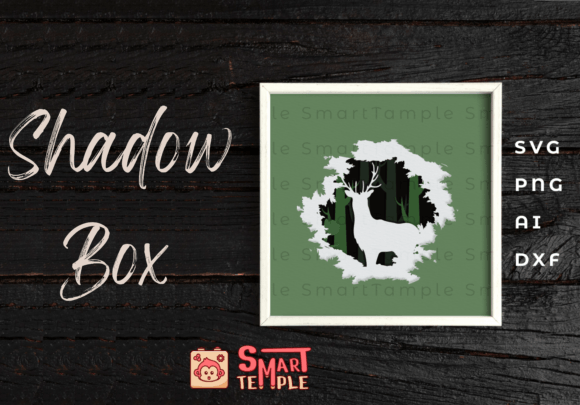
Deer Shadow Box SVG: A 3D Asset for Modern Design
As a digital publisher who spends countless hours curating the visual identity of various blogs and content hubs, I am always on the lookout for graphic design assets that offer more than just aesthetic appeal. They need to function within a rigorous editorial workflow. When I first encountered the Deer Shadow Box Svg, Deer Layered Svg, my immediate reaction was one of appreciation for its structural depth. Unlike flat icons that often get lost in busy layouts, this asset brings a tangible sense of dimension to the screen. It creates an editorial mood that is simultaneously rustic and refined, making it an excellent fit for lifestyle niches, home decor blogs, outdoor adventure sites, and even educational content focused on nature or crafting.
The core strength of this file lies in its versatility as a digital product. While many designers might initially view this through the lens of physical crafting—given its origins as a layered model suitable for CNC machines, laser cutters, Silhouette, or Cricut projects—the value for web publishers is equally significant. The fact that it is a true vector model means it scales infinitely without losing crispness. For a blogger preparing featured images or Pinterest pins, this scalability is non-negotiable. You can stretch this deer silhouette across a wide website header or shrink it down for a category thumbnail, and the lines remain sharp.
Elevating Editorial Quality and Visual Hierarchy
In the world of content marketing, visual hierarchy dictates whether a reader stays on your page or bounces back to search results. The Deer Shadow Box Svg, Deer Layered Svg excels here because of its inherent layering. Even when used as a static PNG on a website, the illusion of depth draws the eye. I tested this asset by placing it beside various typography styles. It pairs surprisingly well with bold serif fonts for a classic magazine look, but it also complements clean sans-serif fonts for a modern, minimalist vibe. If you are building a Canva template for your clients or your own social media graphics, this asset provides a strong anchor point that organizes the surrounding white space effectively.
For affiliate marketers and small business owners, trust is currency. A polished visual identity signals professionalism. Using high-quality design assets like this deer vector helps establish a cohesive brand identity. Imagine using this graphic as a recurring motif in your newsletter headers or as a watermark on your downloadable PDFs. It creates a subtle but powerful thread of recognition. Readers begin to associate that specific deer silhouette with your authoritative voice on topics ranging from cabin living to DIY woodworking.
Practical Applications in Real Publishing Workflows
The utility of this digital download extends far beyond a single blog post. Here is how I envision integrating it into a comprehensive publishing strategy:
- Pinterest Graphics: The vertical nature of shadow box designs works beautifully on Pinterest. The layers allow you to add text behind or in front of the deer, creating a dynamic composition that stands out in the feed.
- Digital Guides and eBooks: Use the layers as chapter dividers or decorative elements in your lead magnets. It adds a tactile feel to digital documents, making them feel more like premium products.
- Social Media Previews: When sharing links on Facebook or LinkedIn, the Open Graph image is critical. This asset provides a unique focal point that differentiates your link previews from generic stock photography.
- Printable Design: For those selling physical goods alongside digital content, this file is ready for production. It serves as a bridge between your online presence and your physical inventory.
- Website Headers: The layered effect creates a sophisticated hero image when overlaid on a textured background, perfect for welcoming visitors to a niche site.
Performance and Reader Perception
Why does this specific asset drive better performance? It comes down to clarity and mood. In a sea of flat, two-dimensional clip art, a 3D SVG style image suggests effort and quality. It implies that the content behind the image is equally well-crafted. This psychological cue can improve click-through rates. Furthermore, because the design is inherently decorative yet structured, it supports visual hierarchy without overpowering the headline. It frames the message rather than competing with it.
However, discretion is key. While this asset is versatile, it should be used carefully in certain contexts. For instance, on very small mobile thumbnails where intricate layers might blur into a single mass, it is better to use a simplified version or ensure high contrast. It may also feel out of place in strictly corporate or ultra-minimalist tech niches where any ornamentation is frowned upon. Additionally, avoid placing it over busy, low-contrast backgrounds where the delicate details of the shadow box effect could get lost.
Technical Notes for the Modern Publisher
Before deploying the Deer Shadow Box Svg, Deer Layered Svg across your monetized platforms, there are practical steps to take. First, always test your visuals on both desktop and mobile screens. What looks balanced on a 27-inch monitor might feel cramped on a smartphone. Second, pay attention to file size. While SVGs are naturally lightweight, if you are exporting these as PNGs for social media, ensure they are compressed properly to maintain fast page load speeds—a crucial factor for SEO.
It is also vital to confirm the licensing terms. As a professional publisher, you must ensure you have a commercial license before using this asset in products you sell, such as paid courses, merchandise, or client templates. Most files in the creative marketplace come with specific stipulations regarding resale and distribution. Finally, experiment with color. While the default might be black or brown, try rendering it in your brand colors or even in stark black and white to see how it interacts with your existing palette.
In conclusion, the Deer Shadow Box Svg, Deer Layered Svg is more than just a cutting file; it is a robust tool for web design and editorial design. It offers the flexibility needed for modern content creation, supporting everything from affiliate marketing visuals to sophisticated small business branding. By leveraging its layered depth and vector precision, publishers can create a more engaging, trustworthy, and visually distinct online presence.