Laser Cutting Wedding Boxes: A Designer's Review
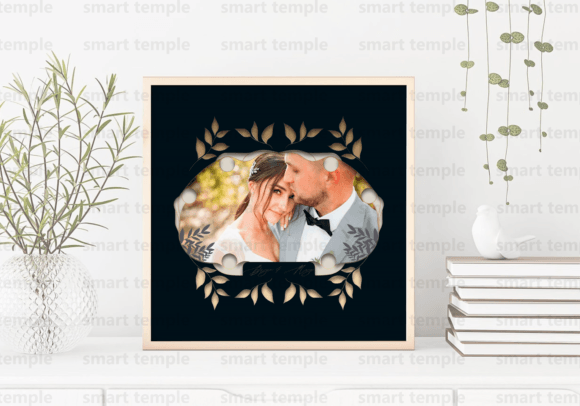
When a client approaches me with a vision for a boutique wedding favor line, the pressure is on to deliver something that feels bespoke yet scalable. Recently, I was tasked with developing a visual concept for a handmade business specializing in luxury paper goods. The goal was to create a signature piece that could serve as both a centerpiece and a functional keepsake. This is where the Personalized Wedding Shadow Box SVG entered my workflow. My first impression was one of structural elegance; the design immediately suggested depth and intimacy, perfect for the emotional weight of a wedding day. It isn't just a flat graphic; it represents a layered architectural approach to paper crafting that elevates a simple box into a narrative device.
The mood this asset creates is inherently romantic but grounded in modern precision. For a designer, the style represents a bridge between traditional papercutting artistry and contemporary digital fabrication. It fits naturally with clients who are targeting the "boho-luxe" or "modern rustic" demographics—couples who value texture and handcrafted details over mass-produced uniformity. In the context of brand identity, using such a distinct silhouette can help a small business stand out in a crowded creative marketplace. It signals to the customer that the brand cares about the unboxing experience and the tactile quality of their products.
Integrating Vector Precision into Real Client Workflows
In practical design situations, versatility is king. I evaluated how this graphic design asset performs across various mediums beyond just the final cut product. For logo design and brand identity packages, the clean lines of the shadow box structure can be simplified to create a recognizable icon for a wedding planner or a venue. When applied to packaging design, the layered elements provide a ready-made template for die-cut windows or embossed details on invitation suites.
For marketing visuals, the asset shines in social media graphics and Pinterest pins. The inherent depth of the shadow box design translates beautifully into 3D mockups, allowing marketers to showcase products with a sense of realism that flat images lack. As a Cricut project or Silhouette file, it offers immediate value to crafters looking to expand their Etsy product listings. Furthermore, for print-on-demand sellers, the high-resolution PNG design included in the bundle can be adapted for t-shirt design, tote bags, or even sublimation design on mugs, provided the intricate layers are simplified for fabric printing.
The true strength of this digital product lies in its adaptability for editorial design and web design. Imagine using the outline of the shadow box as a frame for blog headers or as a decorative accent in a digital wedding magazine. It serves as a powerful tool for content creators who need thematic consistency across their platforms. Whether used as a standalone illustration or integrated into a larger design bundle, it adds a layer of sophistication that generic clipart simply cannot match.
Strategic Placement and Visual Hierarchy
Understanding where this asset works best is crucial for maintaining professional standards. It excels in large layout areas and hero graphics where the intricacy of the layers can be fully appreciated. It is ideal for product mockups that require a focal point, such as a featured image on a landing page or a main display at a trade show. In themed collections, it acts as a unifying element, tying together various printable designs and physical goods under one visual umbrella.
However, caution is required when deploying this design in crowded layouts or at very small sizes. The delicate nature of laser-cut vectors means that fine details can vanish if scaled down too aggressively for a business card or a favicon. It may not suit minimalist branding projects that demand stark simplicity, nor is it appropriate for professional corporate materials where a rigid visual hierarchy is paramount. In low-contrast designs, the subtle layers might get lost, so it is essential to ensure there is enough separation between the foreground and background elements to maintain clarity.
Impact on Brand Perception and Audience Engagement
The Personalized Wedding Shadow Box SVG significantly affects visual trust and emotional appeal. When a client sees a design that incorporates complex layering, they perceive higher value. This translates to better audience engagement; people are drawn to textures and depths that invite closer inspection. For a handmade business, this asset reinforces the narrative of craftsmanship, enhancing the overall professionalism of the project. It helps build brand consistency by providing a recognizable motif that can be repeated across stickers, invitations, and merchandise.
From a readability standpoint, the open spaces within the shadow box design allow for typography to breathe. When pairing this asset with text, I recommend comparing it against various font styles. A flowing script font or a delicate handwritten font complements the organic feel of the layers, while a clean sans serif font can ground the design in modernity. Avoid heavy display fonts that might compete with the intricate details of the vector model. The goal is to ensure the visual hierarchy guides the eye naturally from the decorative frame to the personalized content within.
Essential Designer Notes for Commercial Execution
Before committing this asset to a real client project, several practical steps are non-negotiable. First, test it in black and white to ensure the structural integrity holds up without the crutch of color. Check the contrast on light and dark backgrounds to guarantee visibility in all lighting conditions typical of wedding venues. Always preview it at small and large sizes to identify any potential bridging issues where thin lines might break during the cutting process.
It is vital to place it on real mockups early in the design phase to gauge how the shadows and layers interact with physical materials. Test print quality on the specific paper stock intended for the final product, as thickness affects how well the layers nest. Review the provided file formats carefully; the inclusion of SVG, AI, PNG, and DXF files ensures compatibility with everything from CNC machines to standard printers. Inspect the PNG transparency to ensure clean edges for digital use, and verify the SVG editability to customize names or dates easily.
Finally, always confirm commercial licensing before using any design assets for client work. Ensure the license covers commercial design applications, especially if you are selling the final physical product or a derivative Canva template. By treating this Personalized Wedding Shadow Box SVG not just as a file, but as a foundational element of a broader creative design strategy, designers can deliver exceptional results that resonate with couples and elevate the brands they serve.