Lighthouse LightBox SVG: A Designer's Review for 3D Embroidery
When I first opened the Lighthouse LightBox SVG, Multilayer SVG file on my screen, I wasn't just looking at a vector; I was visualizing texture. As a designer who spends half their life translating digital assets into tangible handmade products, my immediate reaction to this design was one of structural potential. The layered nature of the file screams "dimension," which is exactly what modern customers are craving in custom apparel and home decor. While the product description highlights its utility for paper cutting and laser machines as a Shadow Box model, my mind immediately went to how we can adapt this 3D SVG concept for high-end machine embroidery.
First Impressions: Mood and Visual Personality
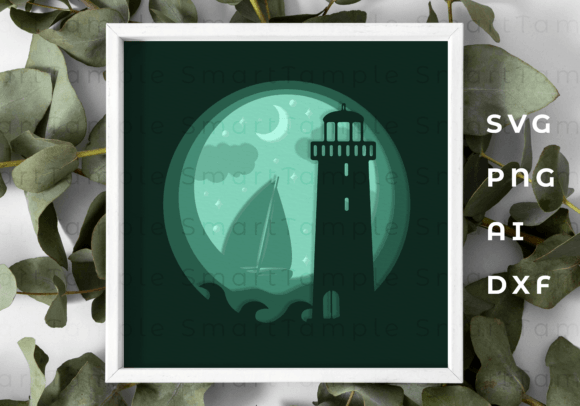
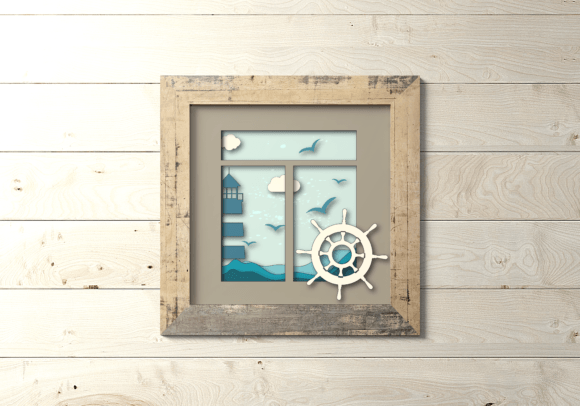
The aesthetic of the lighthouse theme is timeless, evoking feelings of coastal calm, guidance, and nostalgia. However, what sets this specific Lighthouse LightBox SVG, Multilayer SVG apart is its architectural breakdown. Unlike flat clipart, this design relies on distinct layers to create depth. In an embroidery context, this translates beautifully to varied stitch types. I can immediately envision using satin stitch for the bold outlines of the tower, contrasting with a dense fill stitch for the beam of light or the rocky base. The layout suggests a vertical orientation, making it a natural candidate for items with limited horizontal space but ample vertical real estate, such as tote bags or the back yoke of a denim jacket.
Real-World Application: The Coastal Boutique Scenario
Let's walk through a realistic project scenario. Imagine you are preparing a collection for a small beachside boutique or an Etsy seller specializing in nautical themes. You need a flagship item that stands out on a crowded craft fair table. I decided to test the concept of this design on a heavy-canvas tote bag design. The goal was to create a personalized gift that feels substantial, not flimsy.
Because the Lighthouse LightBox SVG, Multilayer SVG is built for layering, it mimics the look of an applique design without necessarily requiring fabric cutouts if you prefer thread-only execution. For this project, I imagined digitizing the layers to sit slightly offset from one another. The bottom layer could be a dark navy running stitch outline, acting as a shadow, while the top layers utilize vibrant whites and warm yellows. This approach elevates the finished product from a simple printed image to a tactile piece of art. Customers are far more likely to engage with a product they can feel; the perceived value increases significantly when the stitch density and layering create a pseudo-3D effect on the fabric.
Versatility Across Product Lines
Beyond tote bags, this design asset holds immense promise for various embroidery projects. For sweatshirt embroidery, the thick layers of the lighthouse would hold up well against fleece or French terry, provided the digitizing accounts for the fabric's stretch. It would also make a striking embroidered patch. If you are running a craft business that sells iron-on or sew-on patches, the distinct separation of layers in the source file makes isolating elements for a circular or shield-shaped patch straightforward.
For baby embroidery, caution is key. While the motif is cute for a nursery-themed onesie, the stitch density required to achieve the "lightbox" effect might be too stiff for delicate infant skin. In this case, I would recommend simplifying the layers or using softer threads and a lighter stabilizer. Conversely, for holiday embroidery—think Christmas ornaments made of felt or heavy linen—the full complexity of the Lighthouse LightBox SVG, Multilayer SVG would shine, creating a festive, dimensional decoration.
Critical Considerations for Execution
While the design is promising, a professional review must address the pitfalls. Not every fabric is ready for a complex, multi-layered digital embroidery file.
- Fabric Texture and Weight: On thin or highly textured fabrics, the intricate details of the light beam or small windows in the lighthouse might get lost or cause puckering. Always pair this design with sturdy materials like canvas, denim, or twill.
- Curved Surfaces: Applying this to a cap is risky. The structured front panel of a baseball cap can handle some height, but the layered "shadow box" effect might create unwanted bulk that distorts the hat's shape over time.
- Small Hoop Sizes: If you are working with a 4x4 hoop, you may need to scale the design down. Be wary that shrinking a multi-layer design can merge details that were meant to be separate, turning crisp lines into a muddy mess of thread.
- Dark Fabrics: The description mentions this is a vector model often used for light boxes. When moving to dark fabric, you must ensure your thread colors have enough contrast. A white lighthouse on black fabric works, but the "light" effect needs careful color grading to pop.
Enhancing Brand Value and Customer Trust
Using a well-structured file like the Lighthouse LightBox SVG, Multilayer SVG directly impacts your brand consistency. When customers receive a small shop product where the stitching is clean, the layers are distinct, and the design feels intentional, it builds trust. It signals that you care about quality. This is crucial for commercial embroidery clients who need uniform branding across uniforms or merchandise. A sloppy execution of a layered design looks like a mistake; a precise one looks like luxury.
Furthermore, for those selling design assets or printable mockups, this file offers excellent versatility. You can create printable mockup images showing the design on various backgrounds to attract buyers before they even purchase the file. The visual appeal of the "lightbox" concept translates well into marketing materials, helping to drive buyer engagement on platforms like Etsy or Creative Market.
Practical Notes for the Professional Maker
Before committing to a production run, here is my checklist for working with this specific type of layered vector:
- Test on Scrap: Never skip the stitch-out test. Use the exact fabric and stabilizer combination you plan to use for the final item. Check how the layers register against each other.
- Check Licensing: The product description notes it includes SVG, AI, PNG, and DXF files for cutting machines. If you intend to use this for commercial embroidery or sell it as a digitized embroidery file, you must verify the license terms. Some vector bundles are for personal use only or require an extended license for resale.
- Digitizing Strategy: Since this is originally a cut file, you cannot simply import it into your embroidery software and expect perfect results. You will likely need to manually assign stitch types. Decide where to use satin stitch for definition and where fill stitch adds necessary weight.
- Contrast Testing: View your digitized version in black and white. If the layers disappear in grayscale, your thread color contrast isn't strong enough to convey the 3D effect.
- Washability: Consider the end user. If this is for a kitchen towel or a child's item that will be washed frequently, ensure the edges of your layers are tacked down securely to prevent fraying or lifting.
In conclusion, the Lighthouse LightBox SVG, Multilayer SVG is a robust starting point for creative entrepreneurs looking to add depth to their catalog. It bridges the gap between flat graphic design and tactile textile art. Whether you are creating a wedding gift for a sailor, stocking a boutique with custom apparel, or expanding your library of design assets, this file offers the structural integrity needed for high-quality work. Just remember: the file provides the blueprint, but your expertise in stitch selection, fabric knowledge, and attention to detail turns that blueprint into a masterpiece.