Review: 3D SVG Valentine Card for Shapes Projects
As a graphic designer constantly juggling deadlines for seasonal campaigns, I approach every new graphic design asset with a critical eye. It is not enough for a file to look cute on a thumbnail; it must hold up under the pressure of real-world production. Recently, I evaluated the Valentines Day Greeting Card, SVG, Paper for a potential client project involving a boutique handmade business launching a limited-edition holiday collection. My goal was to determine if this digital product could serve as the cornerstone for their brand identity and physical packaging design.
First Impressions and Visual Mood
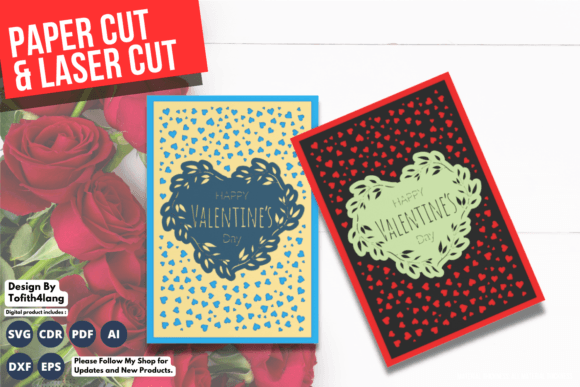
Upon opening the files, the immediate impression is one of intricate elegance. This is not a flat, one-dimensional clipart; it is a sophisticated 3D SVG designed specifically for layering. The visual mood strikes a perfect balance between romantic tradition and modern precision. For a client looking to elevate their small business branding beyond generic store-bought cards, this asset offers a bespoke feel. The design naturally fits projects that require depth and texture, making it an ideal candidate for printable design workflows where tactile experience matters.
The style represents a classic yet refined aesthetic. It avoids the overly cartoonish trends often seen in seasonal graphics, opting instead for clean lines and deliberate negative space. This makes it versatile enough for a high-end boutique or a cozy, artisanal shop. When considering creative design directions, this asset suggests a narrative of care and craftsmanship, which is exactly what consumers look for in handmade business products during the Valentine's season.
Performance in Real Design Scenarios
In my review, I tested how the Valentines Day Greeting Card, SVG, Paper performs across various mediums. For logo design, the core elements can be isolated to create a distinctive brand mark, though care must be taken to simplify the details for scalability. However, where this asset truly shines is in packaging design and product labels. Imagine a luxury chocolate box or a scented candle jar adorned with a laser-cut sleeve based on this file. The multi-layered nature allows for stunning shadow effects when different colored papers are used.
For digital sellers and those in the print-on-demand space, the versatility is equally impressive. The included formats—AI, CDR, DXF, JPG, EPS, PDF, PNG, and SVG—mean you are covered whether you are creating a Cricut project for physical goods or a sublimation design for mugs and tote bags. I can easily envision this being adapted into a Canva template for clients who want to customize their own invitations, or used as a hero graphic in social media graphics to announce a flash sale. The depth of the design translates well to editorial design as well, serving as a striking focal point in a magazine spread or a blog header.
Furthermore, for Etsy product listings, offering this as a downloadable design bundle could be a lucrative move. Crafters are always searching for complex SVG design files that save them hours of drawing time. By providing a file ready for laser cutting machines, you tap into a niche market of serious hobbyists and small manufacturers.
Strategic Placement and Usage Constraints
Understanding where to place this asset is crucial for maintaining visual hierarchy. It works best in large layout areas where the intricacy of the cut can be appreciated. It is perfect for hero graphics on landing pages, detailed product mockups, and themed collections where the card is the star of the show. In marketing visuals, using it as a decorative accent on packaging details can add a premium touch that justifies a higher price point.
However, designers must exercise caution. This is a complex illustration, and it should be used carefully in small sizes. If shrunk down for a favicon or a tiny social media icon, the fine lines of the Shapes may blur or disappear, destroying the intended effect. It is also not suitable for crowded layouts; the design needs breathing room to let the layers stand out. Avoid placing it on complex backgrounds or in low-contrast designs where the delicate cuts might get lost. Additionally, for minimalist branding or strict professional corporate materials, this ornate style might feel too decorative and distract from the core message.
Impact on Brand Perception and Engagement
The choice of a graphic design asset like this directly affects readability and brand consistency. When used correctly, it enhances emotional appeal and audience engagement. A customer receiving a card with this level of detail perceives the brand as thoughtful and high-quality, building visual trust. It elevates the overall impression of a design project from "standard" to "memorable." In the context of web design or digital ads, the unique texture of a paper-cut style can stop the scroll, offering a refreshing break from flat vector art.
Practical Designer Notes and Technical Checks
Before committing this asset to a client project, I recommend a rigorous testing phase. First, test it in black and white to ensure the silhouette remains strong without relying on color. Check contrast on both light and dark backgrounds to verify visibility. Preview the file at small and large sizes to identify any potential rendering issues. Always place the design on real product mockups to see how lighting affects the perceived depth.
For physical production, test print quality is non-negotiable. If you are using this for a laser cutting machine, inspect the vector paths in your software (Illustrator, CorelDRAW, or Inkscape) to ensure there are no open paths or overlapping nodes that could cause cutting errors. Review the file formats provided; while the SVG and DXF are great for cutting, the PNG is essential for quick digital previews. If the package includes transparency, inspect the PNG edges for haloing.
Compare the style of this card with your existing typography. It pairs beautifully with serif fonts for a classic look, script fonts for romance, or even bold sans-serif fonts for a modern contrast. Finally, and most importantly, confirm the commercial license terms. Ensure you have the rights to use this commercial design for client work or resale, especially if you are operating as a digital seller in a competitive creative marketplace.
In conclusion, the Valentines Day Greeting Card, SVG, Paper is a robust tool for designers who understand the value of texture and depth. It bridges the gap between digital convenience and physical craftsmanship, making it a valuable addition to any professional's library of design assets.