Review: Christmas Gnome Multilayered PaperCut Bu for Holiday Embroidery
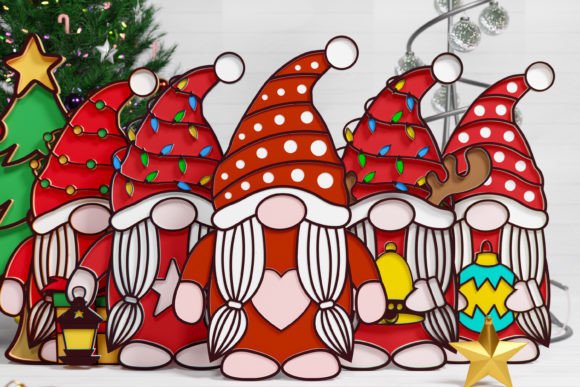
As a designer who spends more time at the hoop than away from it, I approach every new machine embroidery design with a mix of curiosity and skepticism. We've all seen files that look stunning on a screen but turn into a thread-breaking nightmare once the needle hits the fabric. When I first opened the Christmas Gnome Multilayered PaperCut Bu, my initial reaction wasn't just about the cuteness of the gnome; it was about the structural integrity of the layers. This isn't just a flat graphic; it is a piece of digital art intended to mimic the depth of paper cutting, which presents unique challenges and opportunities for us as embroiderers.
The Visual Personality and First Impressions
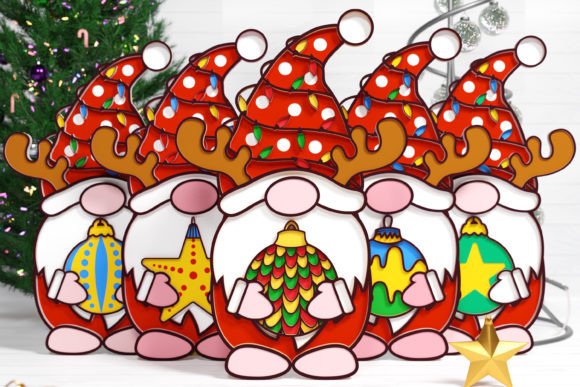
The moment you load this file into your software, the mood is unmistakably festive yet sophisticated. Unlike many holiday designs that rely on overly bright, cartoonish colors, this Graphics asset leans into a cozy, rustic aesthetic. The "multilayered" aspect is the star here. In a laser-cut context, these would be physical sheets of wood or cardstock stacked to create shadow and dimension. In our world of thread, this translates to a need for careful color blocking and stitch type selection.
The shape of the gnome is classic, but the detailing suggests a modern twist. For an Etsy seller or a boutique owner, this visual personality is gold. It feels high-end enough for a premium handmade product but whimsical enough for a family personalized gift. The layout avoids clutter, which is crucial when you are trying to replicate a paper-cut style where negative space is just as important as the filled areas. If you are building a cohesive holiday collection for your craft business, this design fits naturally alongside other rustic or Scandinavian-inspired items.
Real-World Application: The Tote Bag Test
To truly evaluate the Christmas Gnome Multilayered PaperCut Bu, I imagined a specific real-life scenario: creating a limited run of holiday tote bags for a local farmer's market. Tote bags are tricky. They often use canvas or heavy cotton, which has a distinct fabric texture that can interfere with fine details.
In this scenario, the multilayered nature of the design works in our favor. By treating each "layer" of the paper-cut effect as a separate color stop, we can use varying stitch density to create actual physical depth. I would recommend using a dense fill stitch for the background layers and perhaps a slightly lighter density or even a textured satin stitch for the foreground elements like the gnome's hat or beard. This mimics the shadow effect of real paper cutting.
For a sweatshirt embroidery project, the same logic applies but with different stakes. Sweatshirts are thick and often fuzzy. If the layers in this design are too close together in color value, they will blend into a muddy mess on fleece. However, if you select high-contrast thread colors—perhaps a deep forest green against a cream beard—the definition holds up beautifully. It transforms a standard holiday sweater into a statement piece that customers are willing to pay a premium for.
Navigating Fabric and Hoop Challenges
While the design is versatile, it demands respect regarding where and how it is stitched. There are specific situations where you need to proceed with caution. If you are working with a small hoop size, you must check the dimensions of the file immediately. Multilayered designs often require a bit of breathing room to maintain their proportional integrity. Cramping this gnome into a tiny space could result in lost details, especially around the facial features or the intricate edges of the "paper" layers.
Textured fabrics are another consideration. On a waffle weave or a heavy linen, the running stitches that might define the edges of the layers could get lost. In these cases, widening the satin columns or adding a underlay is non-negotiable. Similarly, stretchy fabrics like jersey knits used in baby embroidery require a robust stabilizer. The weight of multiple layers of stitching can cause lightweight fabric to pucker or distort, ruining the clean lines essential to the paper-cut look.
Curved surfaces, such as caps, present the ultimate test. The geometry of a cap panel distorts images. A design with straight, architectural lines (common in paper-cut styles) can look warped if not digitized or positioned correctly. If you plan to use this for custom apparel like hats, I strongly advise doing a test run on a scrap cap first to see how the layers align on the curve.
Enhancing Brand Value and Customer Trust
Why does the choice of design matter so much? Because your finished product is a reflection of your brand. Using a well-structured file like Christmas Gnome Multilayered PaperCut Bu signals professionalism. When a customer sees clean stitch outs with deliberate layering, they perceive higher value. It builds trust. They aren't just buying a towel; they are buying a piece of art.
For commercial embroidery projects, consistency is key. If you are producing fifty aprons for a bakery, this design's clear separation of layers ensures that every single unit looks identical, provided your tension and stabilizer remain consistent. This reliability is what separates a hobbyist from a serious small shop product creator. Furthermore, for those selling digital embroidery file previews or printable mockups, the strong silhouette of this gnome makes for compelling marketing imagery. It reads clearly even in thumbnail sizes on social media or marketplace listings.
Practical Notes for the Serious Maker
Before you commit this design to a client's expensive garment, here are my professional recommendations:
- Test on Scrap First: Always stitch a sample on the exact fabric you intend to use. What works on quilting cotton may fail on velvet.
- Check Color Contrast: Since this mimics paper cutting, adjacent layers need distinct color differences to be visible. Avoid using two shades of red next to each other unless you rely on texture alone.
- Review Stitch Density: High density adds durability but also stiffness. For a tote bag design, stiffness is fine. For a baby onesie, it might be uncomfortable. Adjust your settings accordingly.
- Verify Licensing: The product description mentions this is part of a Crafts category intended for various machines. Always confirm the license terms before selling finished items or redistributing the digital assets.
- Stabilizer Selection: Don't skimp here. A cut-away stabilizer is often best for multilayered designs to prevent long-term distortion, especially on garments that will be washed frequently.
It is also worth noting that while the product description highlights compatibility with laser cut and CNC router machines, we are adapting it for thread. This means checking the embroidery file format carefully. Ensure your machine accepts the specific extension provided. If the file includes tiny lettering or extremely fine corners, consider whether your needle size can handle the turn without breaking the thread.
In conclusion, the Christmas Gnome Multilayered PaperCut Bu is a robust candidate for your holiday lineup. It offers a trendy aesthetic that bridges the gap between traditional crafting and modern digital design. With thoughtful fabric selection, proper stabilization, and an eye for color contrast, this design can elevate your holiday embroidery projects from simple decorations to cherished keepsakes. It is a reminder that in our trade, the magic lies not just in the image itself, but in how we translate that image into the tactile reality of thread and fabric.