Review: Halloween Pumpkin 3D Layered SVG Set for Embroidery
As a designer who spends more time staring at stitch previews than I do sleeping during peak seasons, I approach every new file with a healthy dose of skepticism. We have all been burned by "layered" designs that look fantastic on a screen but turn into a thread-breaking nightmare on the machine. So, when I pulled up the Halloween Pumpkin 3D Layered SVG Set, my first instinct was to check the geometry before even thinking about thread colors. This isn't just about making something cute; it is about creating a finished product that holds up to wear, washing, and customer scrutiny.
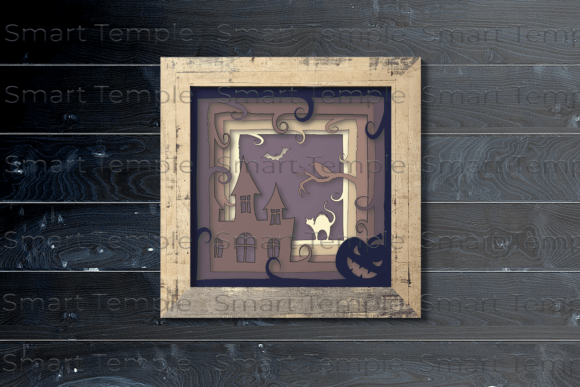
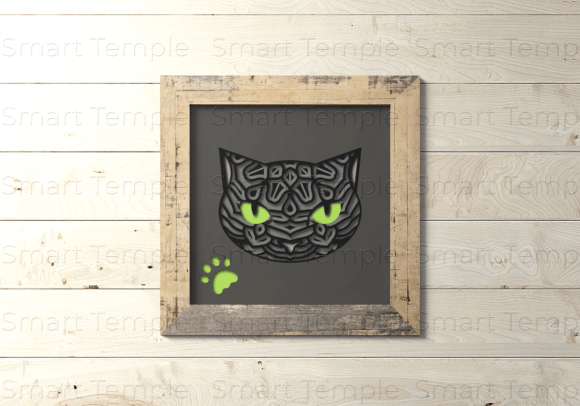
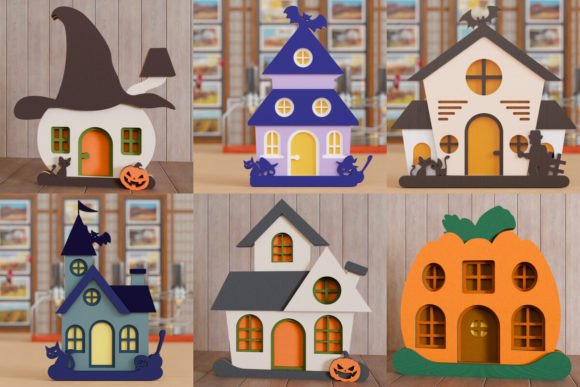
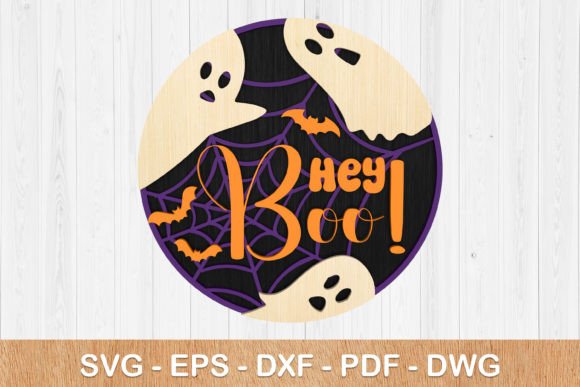
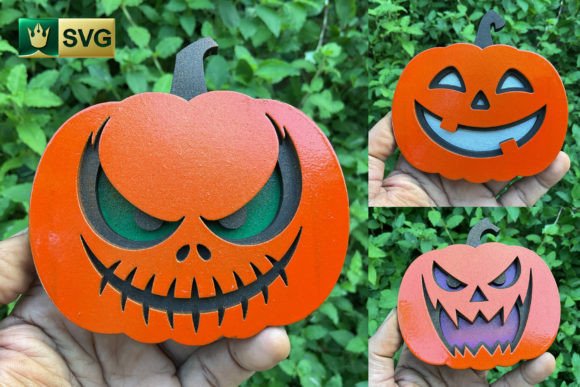
The initial impression of this set is promising. The mood is undeniably autumnal, capturing that specific blend of whimsical and spooky that sells well in October. The three jack-o'-lantern faces included in the package offer enough variety to prevent boredom if you are producing a run of items for a craft fair or an Etsy shop. However, because this asset originates from the Laser Cutting category within the Autumn product line, there is a critical translation step required before it hits your embroidery hoop. Laser files rely on clean cuts and physical layering of materials like wood or acrylic. Embroidery relies on thread density and fabric tension. My job as a reviewer is to bridge that gap and determine if this design survives the transition from vector cut lines to satin and fill stitches.
Visual Personality and Design Layout
The visual personality of the Halloween Pumpkin 3D Layered SVG Set leans heavily into bold, graphic shapes. This is actually a strength for embroidery. Intricate, tiny details often get lost under thread buildup, but these pumpkin faces feature strong outlines and distinct facial features that should translate well into a machine embroidery design. The layering aspect suggests depth, which in embroidery terms usually means planning your stitch order carefully to create shadows and highlights without excessive jumping or trimming.
When I visualize this on a mockup, the layout feels balanced. It is not so wide that it won't fit in a standard hoop, nor is it so tall that it becomes unstable on stretchy fabrics. For a custom apparel project, this balance is crucial. I can see this working beautifully as a chest logo on a hoodie or a centered design on a tote bag. The "frightful fun" description in the product brief holds true; the expressions are playful rather than terrifying, making them safe for baby embroidery projects or family matching sets, provided the stitch density is managed correctly.
Real-World Application: The Tote Bag Test
To truly evaluate this digital embroidery file, I imagined a specific real-life scenario: preparing a batch of canvas tote bags for a local boutique's Halloween promotion. Canvas is a sturdy fabric, but it has a distinct weave that can interfere with small details. Using the Halloween Pumpkin 3D Layered SVG Set here would require a solid stabilizer backing to prevent the fabric from puckering under the weight of the threads.
In this scenario, the layered nature of the SVG allows for a creative approach. Instead of just stitching flat, one could use an applique design technique. You could cut the base pumpkin shape from orange felt or leather, place it on the bag, and then use the embroidery file to stitch the facial features and contours on top. This adds genuine 3D texture that mimics the original laser-cut intent while remaining durable. Customers love tactile elements; a raised pumpkin face on a tote bag feels premium and justifies a higher price point for your small shop product.
Alternatively, for a sweatshirt embroidery project, the design would need to be simplified slightly if the original vectors are too complex for thick fleece. Sweatshirts absorb thread differently than woven cotton. If the stitch density is too high, the fabric will stiffen uncomfortably. My advice would be to test a single face on a scrap piece of your intended fleece first. Check how the satin stitch borders lay against the nap of the fabric. If they sink in too deep, you may need to adjust the pull compensation or switch to a lighter fill stitch for the interior sections.
Navigating Fabric Challenges and Hoop Constraints
While the design is versatile, there are areas where caution is necessary. If you are attempting this on a curved surface like a cap, the layering effect might cause registration issues. Caps are unforgiving; if your layers do not align perfectly due to fabric shift, the 3D illusion breaks immediately. Similarly, on dark fabrics, you must ensure your thread colors have enough contrast. A black outline on a navy shirt will vanish. Always run a black-and-white mockup test to verify that the design's silhouette remains clear regardless of color choices.
Small hoop sizes present another constraint. While the design looks compact, remember that embroidery machines need "breathing room" around the design for the hoop clamps and frame movement. Do not assume the visible design area equals the required hoop size. Always check the technical specifications of the converted embroidery file before hooping your final garment. Furthermore, textured fabrics like waffle knits or heavy linens can distort the fine lines of the pumpkin faces. In those cases, a heavier cut-away stabilizer is non-negotiable to maintain the integrity of the finished product.
Commercial Value and Brand Consistency
For Etsy sellers and creative entrepreneurs, the value of a design lies in its ability to generate sales without generating returns. The Halloween Pumpkin 3D Layered SVG Set has high giftability. It fits perfectly into the niche of personalized holiday gifts. Imagine monogramming the center of the pumpkin or adding a name beneath the face using a complementary font. This customization increases perceived value significantly.
However, professionalism is key. A sloppy stitch-out damages brand consistency. Before listing this as a printable mockup or a physical item in your store, inspect the small details. Are the corners of the eyes sharp? Is the mouth curve smooth? Jagged edges suggest the file needs optimization or that your machine tension is off. Buyer engagement relies on trust; if your first few items show loose threads or poor alignment, customers will hesitate to buy again. Treat this design as a design asset that represents your quality standards.
Practical Notes for the Studio
Before committing to a production run, here is my checklist for using this set effectively:
- Test on Scrap: Never skip this. Stitch the design on the exact fabric and stabilizer combination you plan to use for the final item.
- Check Licensing: Since this is a commercial-grade asset, confirm the license terms. Can you sell the physical embroidered items? Can you resell the digitized file? Clarify this to avoid legal issues with your craft business.
- Digitizing Conversion: Remember, this is an SVG set intended for laser cutting. If you are not using a machine that reads SVGs directly for embroidery, you will need to digitize it or purchase a pre-digitized version. Ensure the running stitch and satin stitch conversions are optimized for thread, not blade paths.
- Contrast Check: Verify how the design looks on both light and dark backgrounds. You may need to create two versions of the file with different underlay strategies.
- Wash Testing: If selling wearable items, wash the test sample multiple times. Ensure the layers do not peel or fray, especially if using applique techniques.
In conclusion, the Halloween Pumpkin 3D Layered SVG Set offers a solid foundation for festive embroidery projects. Its strength lies in its bold, graphic nature which suits the limitations and beauty of thread art. With careful attention to fabric choice, stabilizer selection, and proper digitizing conversion, this design can elevate your holiday embroidery collection from generic to exceptional. It is a tool that, when handled with professional insight, can drive significant engagement for your handmade brand this season.