Review: Independence Day Shadow Box 4 July SVG
As a designer who spends more time staring at stitch simulations than I do sleeping, I approach every new Independence Day Shadow Box, 4 July Svg with a mix of excitement and skepticism. We all know the drill: a file looks crisp on the screen, but the moment it hits the hoop, reality sets in. Today, I am breaking down this specific vector model not just as a digital asset, but as a potential cornerstone for your next embroidery project. Whether you are an Etsy seller prepping for the summer rush or a hobbyist making gifts for family, understanding how this design translates from a layered cut file to a stitched finished product is crucial.
First Impressions and Visual Personality
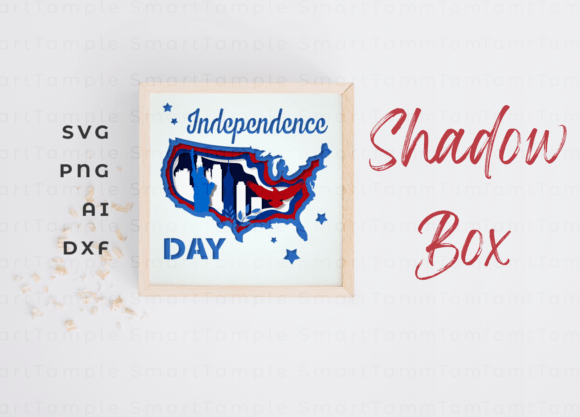
When I first loaded the Independence Day Shadow Box, 4 July Svg into my digitizing software to inspect the pathways, the immediate takeaway was its structural integrity. While the product description highlights its utility for CNC and laser cutting as a 3D SVG, the silhouette itself offers a fantastic foundation for embroidery. The "shadow box" aesthetic implies depth and layering, which is a mood we want to replicate with thread. The layout feels balanced, avoiding the clutter that often plagues holiday designs. It creates a sense of nostalgia and celebration without screaming too loudly, making it versatile enough for a boutique small shop product or a subtle home decor piece.
The visual personality here is clean and geometric. For an embroidery file, this is a win. Complex, organic shapes can sometimes result in messy underlay or unpredictable pull, but the defined lines of this shadow box concept suggest that it will hold its shape well under tension. It naturally belongs on items where structure is key, like a canvas tote or a stiffened cap, rather than fluid, draping fabrics where the rigid lines might distort.
Real-World Application: The Custom Tote Scenario
Let's walk through a real-life scenario. Imagine a client comes to you needing a run of custom bags for a local Fourth of July parade. You decide to use the Independence Day Shadow Box, 4 July Svg as the central motif for a heavy cotton tote bag design. Because this original file is a vector meant for layering, you have the freedom to interpret those layers using different stitch types. You might choose a dense fill stitch for the background elements to create that "shadow" depth, while utilizing a crisp satin stitch for the foreground stars or text to make them pop.
In this context, the design performs exceptionally well. The bold shapes translate beautifully into a handmade product that feels substantial. Customers reacting to this would likely appreciate the professional finish; it doesn't look like a cheap iron-on transfer. It looks like intentional custom apparel or accessory design. If you were to adapt this for a sweatshirt embroidery project, the open spaces within the shadow box layers could be filled with a contrasting fabric texture, effectively turning the embroidery into an applique design without the extra cutting steps, provided you adjust your digitizing settings accordingly.
Navigating Fabric Challenges and Hoop Limitations
However, no design is universal, and practical judgment requires knowing where to hit the brakes. The Independence Day Shadow Box, 4 July Svg features distinct corners and potentially fine details depending on how you scale it. If you are working with a small hoop size, you must be careful not to shrink the design so much that the tiny lettering or intricate corner details become a bird's nest of thread. Stitch density becomes a critical factor here; if the original vector has very tight spacing, stitching it on a stretchy fabric like a baby onesie could lead to puckering.
For baby embroidery or lightweight tea towels, I would advise simplifying the internal details. Thin fabrics cannot support heavy fill stitch areas without significant stabilization. Speaking of which, your choice of stabilizer will make or break this project. On a textured fabric like a waffle weave kitchen towel, the sharp lines of the shadow box might get lost or appear jagged. In those cases, a tear-away stabilizer might not be enough; you may need a cut-away to maintain the crispness of the design over the life of the personalized gift.
Curved surfaces present another hurdle. If you plan to put this on a cap, remember that the flat geometry of a shadow box design can warp when stitched over a curved front panel. The vertical lines might bow outward. It is not impossible, but it requires precise hooping and perhaps a foam underlay to keep the design floating correctly above the fabric texture.
Enhancing Brand Value and Customer Trust
Ultimately, the goal of using a design like the Independence Day Shadow Box, 4 July Svg is to elevate your brand. A well-executed version of this design signals professionalism. It shows that you understand composition and how to adapt digital assets for physical media. This affects customer trust immensely. When a buyer sees consistent stitch quality and thoughtful placement, they perceive higher value, allowing you to price your commercial embroidery work more competitively.
For digital product sellers, this file offers dual utility. You can sell the physical embroidered item, but you can also use high-quality mockups of the stitched version to sell the digital file itself. Creating a printable mockup that shows how this vector translates into thread can be a powerful marketing tool for other makers looking for design assets. It bridges the gap between the crafting communities of sewing and paper cutting.
Essential Designer Notes Before You Stitch
Before you commit to a production run, here are my non-negotiable steps for reviewing this file:
- Test on Scrap First: Never skip the test stitch-out. Use the exact fabric and stabilizer combination you plan to use for the final item.
- Check Color Contrast: Since this is a shadow box theme, ensure your thread colors provide enough contrast between the layers to achieve the 3D effect.
- Inspect Small Details: Zoom in on the digitized preview. Are the corners sharp? Is the text legible at your intended size?
- Verify Licensing: The product description mentions it includes SVG, AI, PNG, and DXF files for cutting machines. It does not explicitly state the license terms for commercial embroidery. Always confirm with the creator if you intend to sell finished goods made from this design.
- Assess Stitch Types: If you are converting this vector yourself, decide early on where to use running stitch for detail versus satin stitch for borders.
- Dark vs. Light Fabrics: Test the design on both black and white backgrounds. Some details visible on light fabric may disappear on dark fabric without proper underlay or outlining.
The Independence Day Shadow Box, 4 July Svg is a robust starting point for any patriotic collection. It carries a classic aesthetic that resonates with the holiday spirit while offering the structural clarity needed for high-quality machine work. By respecting the limitations of your materials and taking the time to refine the stitch settings, you can turn this digital vector into a standout holiday embroidery piece that customers will cherish for years. Whether it ends up on a pillow cover, an embroidered patch, or a limited edition apron, the potential for creating something truly special is right there in the layers.