Review: Laser Cutting Clock for Wall Decor
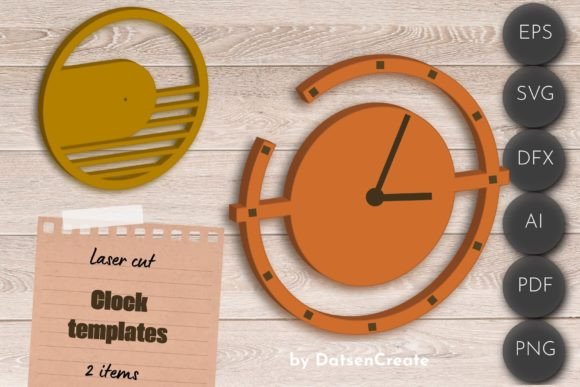
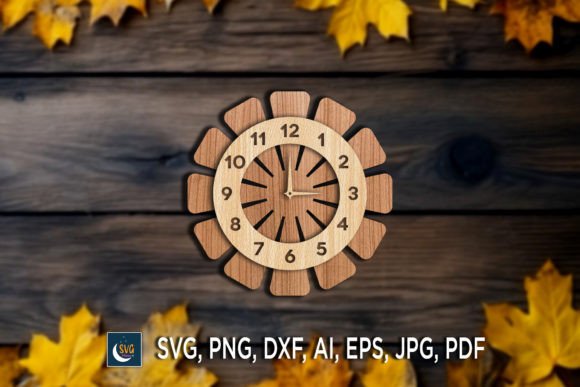
As a graphic designer who frequently bridges the gap between digital concepts and physical production, I am always skeptical of "ready-to-use" assets. Too often, files found on creative marketplaces look impressive in a thumbnail but fall apart when you try to integrate them into a serious brand identity or prepare them for manufacturing. However, while preparing a visual concept for a boutique home goods client launching a new line of artisanal timepieces, I decided to evaluate the Multilayer Laser Cut Clock 3D SVG File. My goal was to determine if this graphic design asset could serve as more than just a pretty picture—could it actually function as a robust foundation for a real-world product?
My first impression upon opening the file was one of structural clarity. Unlike many clipart illustrations that rely solely on flat colors, this asset is built with depth in mind. The mood it creates is distinctly modern yet warm, leaning heavily into the handmade business aesthetic that is currently dominating social media graphics and Etsy product listings. It represents a style that feels curated and intentional, perfect for a small business branding campaign that wants to emphasize craftsmanship. For a client looking to establish trust and emotional appeal, the layered nature of the design suggests quality and attention to detail before the customer even touches the physical object.
From Digital Vector to Physical Reality
The true test of any laser cutting file is how well it translates from the screen to the machine. In my review, I focused on how the Multilayer Laser Cut Clock 3D SVG File performs in actual design situations. While its primary purpose is obviously for creating physical wall decor, its utility extends far beyond the workshop. I tested the vector paths in Adobe Illustrator to see how they held up when adapted for other marketing visuals.
For logo design and brand identity, the clean lines of the clock face offer a strong geometric anchor. I found that isolating specific layers allowed me to create simplified icons suitable for favicon usage or social media profile pictures. When expanded into larger layout areas, such as hero graphics for a website or editorial design spreads, the intricate layering adds a texture that flat designs simply cannot match. It works exceptionally well for packaging design, where the illusion of depth on a box can mimic the actual product inside. Whether used for sticker design, t-shirt design, or tote bags, the scalability of the SVG format ensures that the visual hierarchy remains intact regardless of the output size.
Furthermore, for content creators and digital sellers, this asset is a goldmine for creating product mockups. By manipulating the layers in Photoshop or Canva, you can generate realistic shadows and depth cues that make digital advertisements feel tangible. This is crucial for print-on-demand sellers who need to convey the quality of a physical item through a two-dimensional screen. The file supports a wide range of applications, from Pinterest pins that require high-contrast visuals to Instagram posts that benefit from trendy, textured aesthetics.
Strategic Application and Visual Hierarchy
Understanding where to place this asset is key to maximizing its impact. The Multilayer Laser Cut Clock 3D SVG File shines brightest in large layout areas and themed collections. It serves as an excellent decorative accent for seasonal campaigns or as the centerpiece of a launch collection for a handmade brand. In these contexts, the complexity of the design draws the eye and encourages the viewer to linger, boosting audience engagement.
However, professional judgment dictates knowing when not to use a complex asset. I would advise caution when applying this design to small sizes or crowded layouts. The fine details that make the laser cutting process successful can become muddy when shrunk down for a mobile notification icon or a footer element. Additionally, in minimalist branding projects or professional corporate materials that require a very clean visual hierarchy, the ornate layers might introduce unnecessary visual noise. It is also vital to be careful with low-contrast designs; if the layers are too similar in tone against a complex background, the 3D effect is lost, and the design fails to communicate its intended depth.
Technical Performance and Designer Notes
Before recommending any digital product to a client, I run a strict checklist of technical evaluations. Here are my practical notes for designers considering this asset for commercial design:
- Contrast Testing: Always test the design in black and white first. This reveals whether the layers rely too heavily on color to define their shape. A strong design should hold its form even without color information.
- Background Versatility: Check contrast on both light and dark backgrounds. The transparency of the PNG design included in the bundle is generally good, but always inspect the edges for halos or jagged pixels.
- Scalability Check: Preview the SVG design at both very small and very large sizes. Ensure that the vector paths remain smooth and that no essential details disappear at smaller scales.
- Mockup Integration: Place the asset on real product mockups immediately. Seeing it on a wood texture versus a metal finish can drastically change your perception of its suitability for the project.
- Format Verification: The package includes SVG, PNG, AI, PDF, DXF, JPG, and EPS. Verify that the AI and EPS files have editable vectors if you plan to modify the shapes for a custom logo design.
- Typography Pairing: Compare the clock's style with various font types. It pairs beautifully with sans serif fonts for a modern look but can also complement script fonts or handwritten fonts for a more rustic, boutique feel. Avoid pairing it with overly decorative display fonts that might compete for attention.
- Licensing Confirmation: Most importantly, confirm the commercial license terms. Ensure you have the rights to use the asset for client work, especially if you are a digital seller or print-on-demand provider.
Final Verdict for Professional Use
In the context of our client's launch, the Multilayer Laser Cut Clock 3D SVG File proved to be a versatile and high-quality graphic design asset. It successfully bridged the gap between a digital concept and a manufacturable product. The inclusion of multiple formats like DXF and PDF ensures compatibility with various laser cutting machines, while the high-resolution raster options support immediate marketing needs.
For designers, brand owners, and crafters, this file offers a solid foundation for building a cohesive visual story. It enhances visual trust by presenting a polished, professional image that resonates with audiences looking for authenticity. While it requires thoughtful application regarding size and contrast, its ability to elevate packaging design, social media graphics, and web design makes it a valuable addition to any creative toolkit. Ultimately, when used with strategic intent, this asset does more than just fill space—it defines the character of the brand and drives the success of the final creative design.