Turtle 3D SVG for Shadow Boxes: A Publisher's Review
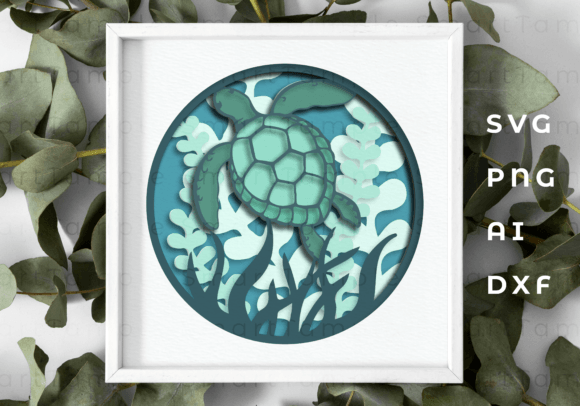
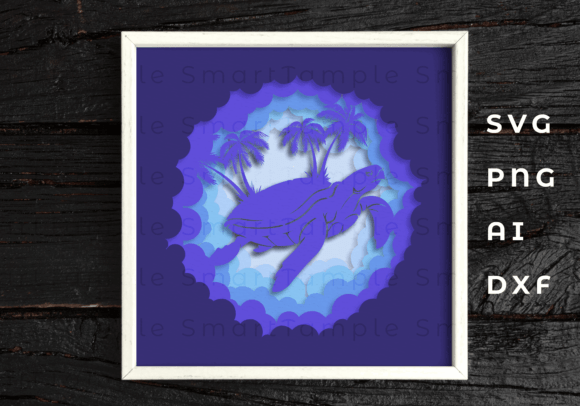
As a digital publisher who spends hours curating the visual identity of niche blogs, I approach every new graphic design asset with a critical eye. It is not enough for an image to be pretty; it must perform. It needs to stop the scroll on Pinterest, anchor a website header, and convey trust instantly. Recently, I evaluated the Turtle 3D Layered Svg, Turtle Shadow Box file set to see if it holds up under the demands of real-world content marketing. My first impression was one of unexpected depth. While many vector files feel flat and generic, this layered design offers a tactile quality that translates beautifully into digital formats. The mood is distinctly lifestyle-focused yet artistic, striking a balance between playful creativity and modern design sophistication.
This asset naturally supports content niches centered around nature, ocean conservation, slow living, and DIY crafting. However, its utility extends far beyond hobbyist projects. For bloggers and website owners, the intricate layering creates a sense of luxury and attention to detail that elevates editorial design. When placed against a clean background, the shadow effect mimics physical depth, making it an excellent choice for creating a strong visual hierarchy on a landing page or within a digital guide. It feels organic and grounded, which helps build reader trust by signaling that the content behind the image is equally well-crafted.
Integrating Layered Vectors into Publishing Workflows
The true value of the Turtle 3D Layered Svg, Turtle Shadow Box lies in its versatility across a publishing workflow. As a vector model designed originally for paper cutting machines like Cricut or Silhouette, the precision of the lines is exceptional. This makes it incredibly scalable for web design applications. I envision using these layers to create dynamic Pinterest pin graphics where the turtle appears to pop off the screen, driving higher click-through rates. Because the file includes formats like SVG, AI, PNG, and DXF, it integrates seamlessly into tools like Canva or Adobe Illustrator, allowing creators to build custom Canva template kits for their audience.
For newsletter creators, this asset serves as a striking header graphic that breaks up text-heavy emails. The layered nature allows you to isolate specific elements—perhaps just the shell or the silhouette—to use as subtle watermarks or section dividers. In the realm of affiliate marketing, product review pages benefit from high-quality visuals that look professional rather than stock-photo generic. Using this turtle design as a featured image for an article about coastal travel or eco-friendly products can significantly improve category recognition. It acts as a visual signature, helping readers instantly identify your brand identity amidst a sea of competitors.
Boosting Content Performance Through Visual Depth
In the crowded digital landscape, a stronger first impression is the difference between a bounce and a conversion. This digital product supports content performance by offering a unique aesthetic that stands out. When used in blog graphics, the 3D effect draws the eye immediately, guiding the reader toward the headline. This clarity improves the overall user experience. Furthermore, consistent use of such high-quality design assets fosters better brand identity. Readers begin to associate the polished, layered look of the turtle with the quality of your writing or courses.
I found that this asset works best in hero images, article thumbnails, and social media previews where resolution and detail can be appreciated. It is particularly effective for downloadable resources like worksheets or eBook covers, where the "shadow box" aesthetic implies a tangible, valuable product. For small business branding, incorporating this into a media kit demonstrates a commitment to creative excellence. Whether you are selling a digital download or promoting a service, the professional finish of this vector adds perceived value to your offer.
Strategic Placement and Design Constraints
While the Turtle 3D Layered Svg, Turtle Shadow Box is powerful, it requires strategic placement. It shines in editorial accents and content upgrades but should be used carefully in small mobile thumbnails where fine details might get lost. If your layout is already busy or text-heavy, adding this intricate design could clutter the visual field. It is also less suitable for ultra-minimalist corporate content or serious professional niches that require stark simplicity. The key is contrast; ensure the turtle sits on a background that allows its layers to breathe. Low-contrast backgrounds will negate the 3D effect, rendering the image flat and less impactful.
From a technical standpoint, publishers must test how the asset renders on different devices. Preview it inside a real blog layout to check readability alongside your chosen typography. I recommend testing it beside serif fonts for a classic editorial look, sans serif for modernity, or even script fonts for a whimsical touch. Always review file size for web performance; while SVGs are generally lightweight, converting them to PNG for broader compatibility requires proper compression to avoid slowing down page load times. Additionally, verify the commercial license before using this on monetized websites or in paid content products to ensure full compliance.
Final Verdict for Creative Entrepreneurs
The Turtle 3D Layered Svg, Turtle Shadow Box is more than just a cut file for crafters; it is a robust tool for digital storytellers. Its ability to translate physical depth into digital media makes it a standout choice for anyone looking to upgrade their content marketing visuals. By leveraging its layered structure, publishers can create richer, more engaging experiences that resonate with audiences on a visceral level. Whether you are designing a lead magnet, sprucing up a website header, or crafting social media graphics, this asset provides the polish needed to compete in today's creative marketplace. It is a testament to how thoughtful creative design can bridge the gap between digital convenience and artistic integrity.