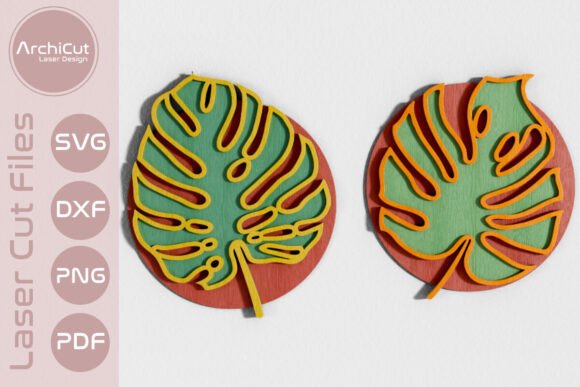
Monstera Leaves 3D Laser Cut for Wall Decor
As a digital publisher who spends hours curating the visual identity of niche blogs, I approach every new graphic design asset with a critical eye. It is not enough for an image to be pretty; it must perform. When I first encountered the Monstera Leaves 3D Layered Laser Cut collection, my immediate thought was not just about physical crafting, but about its potential in the digital editorial space. While the product description highlights bringing tropical elegance to home decor through laser cutting and Cricut compatibility, I saw something different: a powerful tool for editorial design and web design that could elevate content marketing strategies for lifestyle and interior niches.
The first impression of this asset is one of sophisticated depth. Unlike flat vector illustrations that can sometimes feel generic on a screen, the layered nature of these Monstera leaves creates an immediate sense of visual hierarchy. The mood is distinctly lifestyle-focused, blending modern design aesthetics with a touch of organic warmth. It feels professional yet inviting, making it an ideal fit for blogs centered around interior design, plant care, sustainable living, or creative entrepreneurship. For a publisher, this specific "vibe" is crucial because it signals to the reader instantly what kind of content they are about to consume—something curated, thoughtful, and aesthetically pleasing.
Elevating Editorial Layouts and Blog Graphics
In the real world of content publishing, we are constantly fighting for attention. A strong website header or a compelling featured image can be the difference between a bounce and a engaged session. I envision using the Monstera Leaves 3D Layered Laser Cut files as the cornerstone for high-impact blog graphics. Because the design relies on layering to create a 3D effect, it translates beautifully into hero images where depth is needed to separate text from the background.
Consider the workflow for a seasonal article on "Summer Interior Trends." Instead of searching for stock photography that might be overused, a publisher could render these SVG layers into a custom hero graphic. By adjusting the opacity of the rear layers and keeping the front layer sharp, you create a natural frame for your headline. This approach supports brand identity by ensuring that no other website has the exact same visual configuration. It moves beyond simple decoration into the realm of strategic creative design, where every element serves to guide the reader's eye toward the call to action.
Furthermore, these assets are perfect for creating cohesive Pinterest pin designs. Pinterest is a visual search engine where vertical imagery reigns supreme. The tall, sweeping shapes of the Monstera leaves naturally complement vertical layouts. A publisher could create a series of pins for a digital guide on urban gardening, using different color variations of the leaf layers to denote different chapters or tips. This consistency builds category recognition; followers will begin to associate that specific tropical aesthetic with your brand's authority on the subject.
Versatility Across Digital Products and Social Media
The utility of this asset extends far beyond standard blog posts. For those of us selling digital products, such as eBooks, worksheets, or planners, the cover design is the primary sales pitch. The Monstera Leaves 3D Layered Laser Cut offers a premium look that suggests high value. Imagine an eBook cover for a "Home Office Organization Guide." Using these layered leaves as a border or a background texture adds a tactile quality to the digital file, making it feel more like a physical object and less like a temporary download.
For newsletter creators, these graphics serve as excellent headers that break up the monotony of text-heavy emails. A subtle, single-layer version of the leaf can act as a section divider, while a full, multi-layered composition can anchor the top of a weekly digest. In the realm of social media graphics, particularly for Instagram carousels or LinkedIn articles, the clean lines of the vector files ensure they remain crisp on high-resolution retina displays. This attention to detail fosters reader trust; when your visuals are polished, your advice is perceived as more credible.
Affiliate marketers will also find value here. When promoting Wall Decor or crafting tools, using a custom graphic that mimics the physical product (via the Laser Cutting aesthetic) can increase click-through rates. It shows the audience exactly what is possible with the products you are recommending, bridging the gap between inspiration and purchase.
Strategic Placement and Visual Performance
To maximize the performance of this design asset, placement is key. It works best in areas where it has room to breathe. Hero images, article thumbnails, and dedicated landing pages for lead magnets are ideal candidates. In these spaces, the intricate layering can be appreciated without competing with dense body copy. It acts as a visual anchor, grounding the layout and providing a consistent theme across a content hub.
However, caution is required. In small mobile thumbnails or favicon sizes, the detailed layering of the 3D effect may blur into a muddy green shape. In these instances, it is better to use a simplified, single-layer version of the file. Similarly, avoid placing these graphics over busy backgrounds or low-contrast areas where the text needs to pop. If your niche is strictly corporate finance or heavy industrial news, this tropical aesthetic might clash with the serious tone required, potentially undermining the professional gravity of the content. It thrives in creative, lifestyle, and educational sectors but should be used sparingly in ultra-minimalist or starkly formal environments.
Practical Notes for Publishers and Designers
Before integrating the Monstera Leaves 3D Layered Laser Cut into your live workflow, there are several technical checks to perform. First, always test your renders on both desktop and mobile screens. What looks balanced on a wide monitor might overwhelm a smartphone view. Second, preview the graphic inside your actual blog layout, not just in isolation within your design software. See how it interacts with your specific typography.
Typography pairing is essential. These organic shapes pair wonderfully with clean sans-serif fonts for a modern look, or elegant serif fonts for a more traditional editorial feel. Avoid overly decorative script fonts that might compete with the complexity of the leaves. Additionally, pay close attention to file size. While SVGs are inherently scalable and lightweight, if you are exporting them as PNGs for web use, ensure they are properly compressed to maintain fast load times—a critical factor for SEO and user experience.
Finally, and perhaps most importantly for monetized sites, verify the licensing terms. Ensure you have a commercial license if you plan to use these assets in paid content products, affiliate landing pages, or client work. Sourcing from a reputable creative marketplace ensures you are protected legally while accessing high-quality digital downloads. By treating this asset not just as a picture, but as a strategic component of your small business branding, you can transform a simple leaf illustration into a cornerstone of your visual communication strategy.