Review: 3D SVG Multi-layer Elephant Mandala for Embroidery
When I first pulled up the 3D SVG Multi-layer Elephant Mandala on my screen, I wasn't just looking at a cute animal motif; I was evaluating a potential centerpiece for a high-end boutique order. As a designer who spends more time hooped up at the machine than I do away from it, my first impression is always about translation. How does this digital asset translate into thread? Does it have the structural integrity to hold up on a heavy sweatshirt, or is it too delicate for anything other than a wall hanging? While the product description highlights its utility for Wall Decor and Laser Cutting, my eyes were scanning for how this intricate geometry would behave as a machine embroidery design.
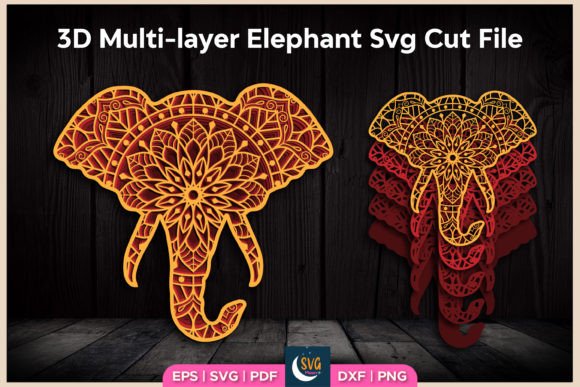
The visual personality of this piece is immediately striking. It blends the spiritual, grounding presence of an elephant with the hypnotic symmetry of a mandala. For a client looking for something bohemian yet sophisticated, this hits the mark. The "multi-layer" aspect suggests depth, which in the embroidery world means we are likely dealing with varied stitch density and potentially different stitch types like satin stitch for outlines and fill stitch for the heavier bodies. This layering is crucial because it creates a tactile experience that flat prints simply cannot match.
Real-World Application: The Boutique Tote Test
To truly understand the value of this embroidery file, I imagined a specific real-life scenario: a custom order for a local yoga studio needing branded tote bag designs. They wanted something that felt handmade but professional enough to sell as merchandise. I visualized the 3D SVG Multi-layer Elephant Mandala stitched onto a natural canvas tote. The geometric precision of the mandala contrasts beautifully with the organic texture of the canvas.
In this context, the design acts as more than just decoration; it becomes a brand identifier. Customers interacting with a handmade product featuring this level of detail perceive higher value. If I were stitching this for a small shop product line, the clarity of the lines would be my primary concern. Would the tiny details in the mandala's outer rings blur together? On a sturdy fabric like canvas or denim, with the right stabilizer, this design could look incredibly crisp. However, if attempted on a thin, stretchy t-shirt without proper backing, those fine lines might pucker, ruining the finished product.
Navigating Fabric and Hoop Challenges
Every experienced embroiderer knows that the design is only half the battle; the substrate is the other half. When working with the 3D SVG Multi-layer Elephant Mandala, you need to be strategic about where you place it. While it shines on flat surfaces like pillow covers, tea towels, or aprons, curved surfaces present a challenge. If you are attempting sweatshirt embroidery on the chest area, you must account for the curvature of the body. The dense areas of the mandala could cause the fabric to pull if the hoop size isn't large enough to keep the material taut throughout the entire run.
There are specific situations where you should proceed with caution. If you are working with dark fabrics, you need to ensure your thread colors provide enough contrast. A light grey thread on a black hoodie might get lost, diminishing the impact of the intricate layers. Conversely, using metallic or variegated threads could elevate the design, giving it that extra pop needed for holiday embroidery gifts or special occasion wear. Additionally, be wary of very small hoop sizes. If the design is scaled down to fit a cap or a baby onesie, the smallest details of the mandala might become indistinguishable blobs of thread. Always check the minimum recommended size before committing to a baby embroidery project.
Commercial Viability and Brand Consistency
For Etsy sellers and creative entrepreneurs, consistency is key to building trust. Using a design like the 3D SVG Multi-layer Elephant Mandala across a range of products—from embroidered patches to throw blankets—can create a cohesive collection. The versatility of the file formats mentioned (SVG, PNG, PDF, DXF, EPS) suggests that this asset isn't just for stitching. You could use the vector files to create printable mockups for your online store, showing customers exactly what the custom apparel will look like before they buy. This bridges the gap between digital expectation and physical reality.
However, commercial use requires diligence. Before listing items made with this design, you must verify the licensing terms. Just because a file is available for purchase doesn't automatically grant unlimited commercial rights for mass production. Ensure you understand the boundaries regarding commercial embroidery projects. If the license allows, this design is a strong candidate for increasing buyer engagement due to its unique aesthetic that stands out in a sea of generic floral or monogram designs.
Practical Notes for the Stitcher
Before you hit "start" on your machine, here are a few practical steps I recommend when tackling a complex piece like this:
- Test on Scrap First: Never run a complex mandala on your final garment without a test stitch-out. Use the same fabric and stabilizer combination you plan to use for the final item.
- Check Stitch Density: Look closely at the preview. If certain areas look overly dense, consider editing the file to reduce saturation, preventing the thread from breaking or the fabric from warping.
- Contrast is King: Review your design in black and white mockups. If the layers disappear in grayscale, they might lack definition in real life, especially from a distance.
- Stabilizer Selection: For a design with this much detail, a cut-away stabilizer is often safer than tear-away, especially for items that will undergo frequent washing like custom apparel.
- Verify File Compatibility: While the package includes various formats, ensure your specific embroidery software can import the vector data if you plan to resize or modify the digital embroidery file.
Ultimately, the 3D SVG Multi-layer Elephant Mandala offers a compelling blend of artistry and technical challenge. It is not a "set it and forget it" design; it demands respect for the materials and the machine. But for the designer willing to put in the preparation, the result is a personalized gift or retail item that feels substantial, thoughtful, and undeniably premium. Whether you are decorating a nursery, branding a boutique, or creating a one-of-a-kind heirloom, this design has the potential to be a standout star in your portfolio, provided you approach it with the right technical mindset.